
Contents
- 📋 Prerequisites & What You Need
- 🔧 Step 1: Choose the Right Location
- ⚙️ Step 2: Prepare the Soil
- 🎯 Step 3: Select the Best Plants
- ✅ Step 4: Plant and Maintain Your Garden
- 🚀 Step 5: Manage Pests and Diseases
- ⚠️ Common Mistakes & How to Avoid Them
- 💰 Cost & Time Breakdown
- 📊 Expected Results & Metrics
- 💡 Pro Tips & Advanced Techniques
- Frequently Asked Questions
- Related Topics
Overview
This guide will walk you through the process of planning, preparing, and maintaining a garden, covering topics such as choosing the right location, selecting the best plants, and managing pests and diseases. Whether you're a seasoned gardener or a beginner, this guide will provide you with the knowledge and skills you need to get started.
📋 Prerequisites & What You Need
Before you start your garden, make sure you have the necessary tools and materials, including a shovel, rake, and watering can. You'll also need to choose a location that gets plenty of sunlight and has good drainage. Consider consulting with a gardening expert or checking out online resources to get started.
🔧 Step 1: Choose the Right Location
The first step in starting a garden is to choose the right location. Look for a spot that gets at least 6 hours of direct sunlight a day and has well-draining soil. Avoid areas with standing water or where water tends to collect. Consider using a soil test kit to determine the pH level of your soil and make any necessary adjustments.
⚙️ Step 2: Prepare the Soil
Once you've chosen your location, it's time to prepare the soil. Start by removing any debris, such as rocks and weeds, and then till the soil to a depth of about 8-10 inches. Add a 2-inch layer of compost or well-rotted manure to improve the soil's fertility and drainage.
🎯 Step 3: Select the Best Plants
With your soil prepared, it's time to select the best plants for your garden. Consider what type of garden you want to create and choose plants that are suitable for your climate and soil type.
✅ Step 4: Plant and Maintain Your Garden
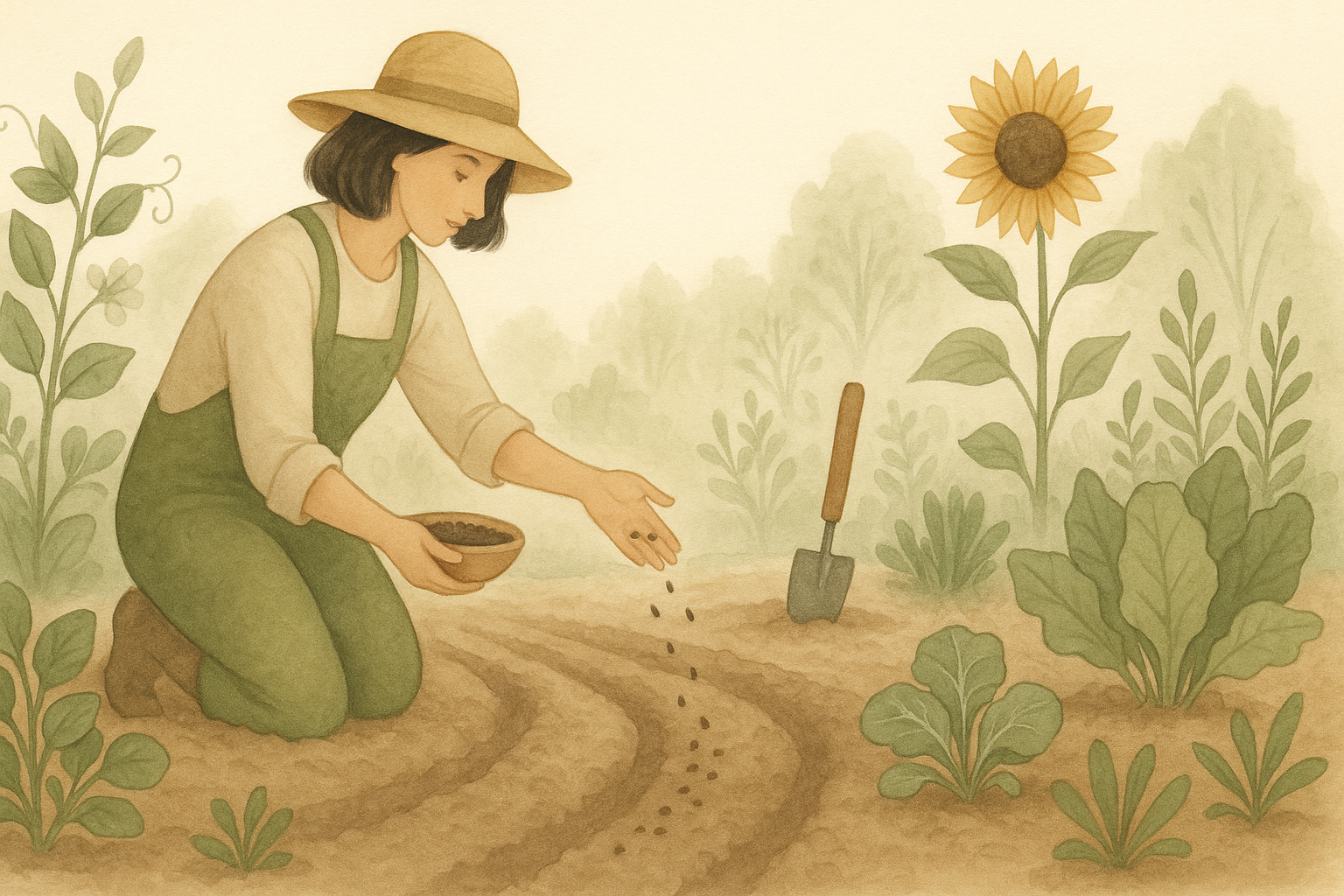
Once you've selected your plants, it's time to plant and maintain your garden. Start by planting your seeds or seedlings at the same depth as they were in their pots. Water well and keep the soil consistently moist during the first few weeks. As your plants grow, make sure to provide support as needed and keep an eye out for pests and diseases.
🚀 Step 5: Manage Pests and Diseases
As your garden grows, you'll need to manage pests and diseases to keep your plants healthy. Consider introducing beneficial insects or using physical barriers to control infestations.
⚠️ Common Mistakes & How to Avoid Them
One of the most common mistakes new gardeners make is not preparing the soil properly. This can lead to poor drainage, nutrient deficiencies, and increased susceptibility to pests and diseases. To avoid this, make sure to test your soil regularly and amend it as necessary.
💰 Cost & Time Breakdown
The cost of starting a garden can vary. Ongoing costs, such as water and fertilizers, can range from $20-$50 per month.
📊 Expected Results & Metrics
With proper planning and maintenance, you can expect to see significant results from your garden.
💡 Pro Tips & Advanced Techniques
For more advanced gardeners, consider using techniques like companion planting and crop rotation to improve soil fertility and reduce pests and diseases.
Key Facts
- Origin
- Global
- Category
- sarod-lessons
- Type
- concept
- Format
- how-to
Frequently Asked Questions
What are the basic steps to start a garden?
The basic steps to start a garden include choosing the right location, preparing the soil, selecting the best plants, planting and maintaining your garden, and managing pests and diseases.
What are some common mistakes to avoid when starting a garden?
Some common mistakes to avoid when starting a garden include not preparing the soil properly and not providing enough sunlight or water.
How do I maintain my garden?
To maintain your garden, make sure to water and fertilize your plants regularly, provide support as needed, and keep an eye out for pests and diseases.
What are some techniques for managing pests and diseases?
Consider introducing beneficial insects or using physical barriers to control infestations.
What are some advanced techniques for gardening?
Consider using techniques like companion planting and crop rotation to improve soil fertility and reduce pests and diseases.